
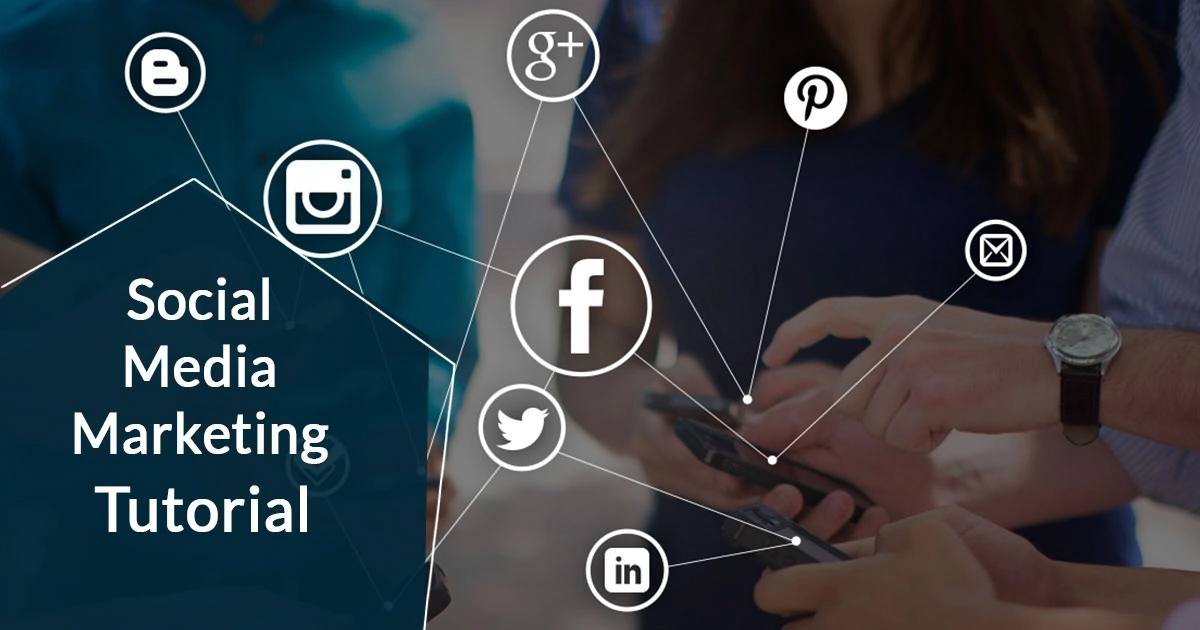
Social media marketing (SMM) is the practice of using platforms such as Instagram, Facebook, TikTok, LinkedIn, YouTube, and X (formerly Twitter) to promote products or services, build brand awareness, engage with audiences, and drive measurable business outcomes.
Social media marketing is one of the most impactful channels in the digital toolkit — see how it compares to 34 other approaches in our types of marketing guide.
With 5.66 billion social media users worldwide as of early 2026 — roughly 69% of the global population — mastering SMM is no longer optional for businesses and marketers of any size.
This social media marketing tutorial walks you through everything you need to know, from understanding the fundamentals and choosing the right platforms to building a data-driven strategy and leveraging AI-powered tools.
Whether you are a complete beginner, a student pursuing a digital marketing career, or a small business owner looking to grow online, this guide gives you a practical, step-by-step roadmap to succeed with social media marketing in 2026.
Key Takeaways
- Social media marketing uses platforms like Instagram, Facebook, TikTok, LinkedIn, and YouTube to connect brands with audiences, drive engagement, and generate revenue.
- As of 2026, there are 5.66 billion social media user identities globally, with the average person spending 2 hours and 23 minutes per day across approximately 7 platforms.
- A successful SMM strategy starts with SMART goals, audience research, competitive analysis, and a content calendar.
- Short-form video (Reels, Shorts, TikTok) and AI-powered tools are the dominant trends shaping social media marketing in 2026.
- Social commerce is projected to exceed $100 billion in the U.S. alone, making shoppable content a critical component of any SMM plan.
- Measuring ROI through KPIs such as engagement rate, conversion rate, click-through rate, and cost per acquisition is essential to justify social media investment.
- Influencer marketing spending is expected to surpass traditional digital advertising budgets in 2026, especially with micro-influencers.
What Is Social Media Marketing?
Social media marketing is the strategic use of social networking platforms to promote a brand, product, or service to a targeted audience. It encompasses both organic activities (posting content, engaging with followers, community management) and paid advertising (sponsored posts, display ads, retargeting campaigns).
Unlike traditional advertising, SMM is built on two-way communication. Brands do not simply broadcast messages — they engage in conversations, respond to feedback in real time, and build communities around shared values and interests.
Core Components of Social Media Marketing
| Component | Description |
|---|---|
| Content Creation | Developing text, images, videos, infographics, and stories tailored to each platform |
| Community Management | Responding to comments, DMs, mentions, and building loyal follower communities |
| Social Media Advertising | Running targeted paid campaigns using platform-native ad managers (Meta Ads, LinkedIn Ads, TikTok Ads) |
| Social Listening | Monitoring brand mentions, sentiment, industry trends, and competitor activity |
| Analytics & Reporting | Measuring performance through KPIs like reach, engagement rate, CTR, and conversion rate |
| Influencer Marketing | Partnering with creators and influencers to extend brand reach and credibility |
| Social Commerce | Selling products directly through social platforms via shoppable posts, live shopping, and product catalogs |
Why Is Social Media Marketing Important in 2026?
Social media marketing is critical for businesses in 2026 because it provides unmatched access to global audiences at a fraction of the cost of traditional marketing.
Here is why every business — from solo entrepreneurs to enterprise brands — needs an SMM strategy:
1. Massive Global Reach at Low Cost
With 5.66 billion social media users worldwide and 93.8% of all internet users active on social platforms, no other marketing channel offers comparable reach. Creating a business profile on most platforms is free, and targeted advertising starts at a few dollars per day.
2. Direct, Real-Time Customer Communication
Social media provides a direct line to your audience. You can answer questions, gather feedback, and address concerns as they happen. Research shows 80% of consumers expect brands to respond on social media within 24 hours.
3. Builds Brand Trust and Authenticity
According to Sprout Social’s 2025 Index, 78% of consumers say a brand’s social media presence impacts whether they trust that brand — rising to 88% among Gen Z. Consistent, authentic content builds credibility over time.
4. Drives Full-Funnel Conversions
Social media marketing now drives results at every stage of the customer journey — from awareness (viral content) to consideration (educational posts) to purchase (shoppable posts, retargeting ads). An estimated 59% of businesses report making more sales through SMM.
5. Powers Data-Driven Decision Making
Modern social media management platforms integrate publishing, listening, and analytics — giving you measurable, accountable insights. You can track performance, compare share of voice against competitors, and tie campaigns directly to revenue.
6. Keeps Your Brand Competitive
Global social media ad spending is expected to reach $276.7 billion in 2025. Brands investing in SMM gain market share through faster content cycles, real-time experimentation, and platform-native creativity. Not participating means falling behind.
Read More: Social Media Marketing Course
Which Social Media Platforms Are Best for Marketing in 2026?
Choosing the right social media platform depends on your target audience demographics, content format strengths, and business objectives. Not every platform suits every brand — focusing on two to three core channels where your audience is most active delivers better results than trying to be everywhere.
Here is a comprehensive comparison of the top social media platforms for marketing in 2026:
Top Social Media Platforms: User Data & Marketing Use Cases (2026)
| Platform | Monthly Active Users (2026) | Primary Audience | Best For | Content Format |
|---|---|---|---|---|
| 3.22 billion | Millennials, Gen X, Boomers | Brand awareness, community groups, paid ads, local business marketing | Text, images, video, live, groups | |
| YouTube | 2.85 billion | All age groups (highest cross-generational reach) | Video marketing, tutorials, product reviews, SEO-driven content | Long-form video, Shorts, live streaming |
| 2.20 billion | Gen Z, Millennials (18–34 peak) | Visual storytelling, influencer marketing, social commerce, Reels | Photos, Reels, Stories, carousels, shopping | |
| 2.5 billion+ | All ages | Customer communication, order updates, WhatsApp Business API | Text, media, catalogs, status updates | |
| TikTok | 1.70 billion | Gen Z, younger Millennials (25–34 fastest growing) | Short-form video, trends, brand discovery, UGC campaigns | Short video (15s–10 min), live, duets |
| 1.33 billion (registered) | Professionals, B2B audiences | B2B marketing, thought leadership, recruiting, social selling | Articles, posts, newsletters, video | |
| X (formerly Twitter) | 600 million+ | Millennials, professionals, journalists | Real-time news, PR, customer service, thought leadership | Short text, threads, images, Spaces |
| 500 million+ | Women (60%+), DIY/lifestyle audiences | Visual discovery, product inspiration, e-commerce traffic | Pins, idea pins, shopping pins | |
| Snapchat | 400 million+ | Gen Z, teens | AR filters, brand awareness, ephemeral content | Snaps, Stories, Spotlight, AR lenses |
| Threads | 200 million+ | Instagram users, text-first audience | Conversations, community, text-based updates | Text posts, images, links |
How to Choose the Right Platform
- B2C brands targeting young audiences: Instagram, TikTok, YouTube
- B2B companies and professional services: LinkedIn, YouTube, X
- Local businesses and service providers: Facebook, WhatsApp, Instagram
- E-commerce and product brands: Instagram, TikTok, Pinterest, Facebook Shops
- Content creators and educators: YouTube, TikTok, Instagram, LinkedIn
Read More: Facebook Marketing Tutorial
How to Create a Social Media Marketing Strategy: Step-by-Step
A social media marketing strategy is a documented plan that outlines your goals, target audience, content approach, posting schedule, and metrics. Without a strategy, you are posting randomly and hoping for results — the most common reason SMM efforts fail.
Here is a proven 9-step framework to build your social media strategy from scratch:
Step 1: Run a Social Media Audit
Before creating new plans, evaluate your current performance. Analyze which platforms you are active on, which posts perform best, and where your audience engagement is highest. Use native analytics (Meta Business Suite, YouTube Studio, LinkedIn Analytics) or tools like Sprout Social and Hootsuite.
Step 2: Set SMART Social Media Goals
Define goals that are Specific, Measurable, Achievable, Relevant, and Time-bound. Businesses that set measurable goals are 377% more likely to report success.
Examples of SMART goals:
- Increase Instagram followers by 2,000 in Q2 2026
- Generate 300 leads from LinkedIn organic content by September 2026
- Achieve a 4% average engagement rate on TikTok within 90 days
- Reduce average response time on social customer service to under 30 minutes
Step 3: Research and Define Your Target Audience
Create detailed buyer personas covering demographics (age, gender, location, income), psychographics (interests, values, pain points), and behavioral data (platform preferences, content consumption habits, peak activity times).
Use tools such as Facebook Audience Insights, Google Analytics, SparkToro, and platform-native analytics to gather audience intelligence.
Step 4: Analyze Your Competitors
Conduct a competitive analysis to understand what is working in your niche. Examine competitor content types, posting frequency, engagement rates, and ad strategies. Identify content gaps you can fill and opportunities they are missing.
Step 5: Choose Your Platforms Strategically
Focus on two to three platforms where your audience is most active. Spreading yourself across too many channels dilutes your effort and leads to burnout. You can expand later once you master your primary platforms.
Step 6: Develop Your Content Strategy
Define your content pillars (three to five recurring themes), content mix (educational, entertaining, promotional, conversational), and format preferences (video, carousels, text posts, Stories). In 2026, short-form video and edutainment content consistently outperform other formats.
Content mix recommendation (the 80/20 rule):
- 80% value-driven content (education, entertainment, inspiration, community building)
- 20% promotional content (product launches, offers, CTAs)
Step 7: Build a Content Calendar
Plan and schedule your posts in advance using a social media content calendar. This ensures consistency, prevents last-minute scrambles, and aligns content with campaigns, holidays, and business events.
Recommended tools: Hootsuite, Buffer, Sprout Social, Later, Planable, Notion
Step 8: Engage and Build Community
Social media is not a one-way broadcast channel. Respond to every comment and DM, ask questions, run polls, host live Q&A sessions, and feature user-generated content. Community-led marketing is one of the strongest trends in 2026 — brands that prioritize community over content volume see higher loyalty and advocacy.
Step 9: Measure, Analyze, and Optimize
Track your KPIs weekly and monthly. Double down on what works and pivot away from what does not. Run A/B tests on content formats, posting times, ad creatives, and CTAs.
Key social media metrics to track:
| Metric | What It Measures |
|---|---|
| Reach | How many unique users saw your content |
| Engagement Rate | Interactions (likes, comments, shares, saves) relative to reach or followers |
| Click-Through Rate (CTR) | Percentage of users who clicked a link in your post or ad |
| Conversion Rate | Percentage of users who completed a desired action (sign-up, purchase) |
| Cost Per Click (CPC) | Average cost of each click in paid campaigns |
| Return on Ad Spend (ROAS) | Revenue generated per dollar spent on ads |
| Share of Voice | Your brand’s mentions vs. competitors’ mentions |
| Customer Satisfaction (CSAT) | Feedback scores from social customer service interactions |
Read More: Web Analytics Training
What Are the Top Social Media Marketing Trends in 2026?
Staying ahead of social media trends is essential for maintaining relevance and competitive advantage. Here are the most impactful trends shaping SMM in 2026:
1. AI-Powered Content Creation and Automation
Artificial intelligence has transformed how marketers create, schedule, and optimize social media content. AI tools like ChatGPT, Claude, Jasper, and Canva’s Magic Studio help generate captions, brainstorm ideas, repurpose content across platforms, and personalize messaging at scale. However, the most successful brands use AI to augment human creativity — not replace it.
2. Short-Form Video Dominance
Short-form video content continues to dominate social media feeds. Instagram Reels, YouTube Shorts, and TikTok videos generate significantly more engagement than static images or text posts. Video content generates 1,200% more shares than text and image content combined. In 2026, 85% of all internet traffic is video-driven.
3. Social Commerce and Shoppable Content
Social platforms are evolving into full-fledged shopping destinations. Instagram Shops, TikTok Shop, Facebook Marketplace, and Pinterest Shopping enable users to discover, browse, and purchase products without leaving the app. U.S. social commerce sales are projected to exceed $100 billion.
4. Influencer Marketing Overtakes Traditional Digital Ads
Brands are expected to allocate more budget to influencer partnerships than traditional digital ads in 2026. Micro-influencers (10K–100K followers) deliver the highest engagement rates due to their authentic, niche-focused communities. 90% of marketers report that sponsored influencer content outperforms organic brand posts.
5. Community-Led and UGC-Driven Marketing
User-generated content (UGC) — photos, videos, reviews, and testimonials created by customers — serves as powerful social proof. Brands encouraging and repurposing UGC see higher trust, engagement, and conversion rates. Community building through Facebook Groups, Discord servers, and LinkedIn communities is becoming a core strategy.
6. Social SEO and Platform Search Optimization
Social platforms are increasingly functioning as search engines. Gen Z users frequently bypass Google to search for products, restaurants, and recommendations directly on TikTok and Instagram. Optimizing your profiles, captions, hashtags, and alt text with keywords is now a critical part of social media marketing.
7. Authenticity and Transparency as Brand Differentiators
Consumers in 2026 prioritize authenticity and relatability over polished, corporate-style content. Behind-the-scenes posts, honest storytelling, and human-centered content build deeper trust and emotional connections with audiences.
What Are the Best Social Media Marketing Tools in 2026?
The right tools save time, improve consistency, and provide data-driven insights. Here are the essential social media marketing tools categorized by function:
Scheduling & Publishing Tools
| Tool | Key Strength | Pricing |
|---|---|---|
| Hootsuite | All-in-one management for multiple platforms | Free plan + paid from $99/mo |
| Buffer | Simple, intuitive scheduling and analytics | Free plan + paid from $6/mo |
| Sprout Social | Enterprise-grade analytics and social listening | From $249/mo |
| Later | Visual content planning; strong for Instagram | Free plan + paid from $25/mo |
| Planable | Collaborative content approval workflows | From $33/mo |
Content Creation Tools
| Tool | Key Strength | Pricing |
|---|---|---|
| Canva | Graphic design, templates, Magic Studio AI features | Free plan + Pro from $13/mo |
| CapCut | Video editing (especially for Reels, Shorts, TikTok) | Free |
| Adobe Express | Professional templates and brand kit management | Free plan + Premium from $10/mo |
| ChatGPT / Claude | AI caption writing, idea brainstorming, content repurposing | Free + paid plans |
| Descript | Video and podcast editing with AI transcription | Free plan + paid from $24/mo |
Analytics & Listening Tools
| Tool | Key Strength | Pricing |
|---|---|---|
| Google Analytics 4 | Website traffic from social media channels | Free |
| Meta Business Suite | Facebook and Instagram native analytics | Free |
| Brandwatch | Deep social listening and sentiment analysis | Enterprise pricing |
| SparkToro | Audience research and intelligence | Free plan + paid from $50/mo |
| Brand24 | Real-time mention monitoring and keyword tracking | From $119/mo |
Social Advertising Tools
| Tool | Key Strength |
|---|---|
| Meta Ads Manager | Facebook and Instagram ad campaigns |
| TikTok Ads Manager | TikTok ad campaigns and Spark Ads |
| LinkedIn Campaign Manager | B2B targeted advertising |
| Google Ads (YouTube) | YouTube video ad campaigns |
What Is the Difference Between SMO and SMM?
Social Media Optimization (SMO) and Social Media Marketing (SMM) are related but distinct disciplines. Understanding the difference helps you build a comprehensive social media presence.
| Aspect | SMO (Social Media Optimization) | SMM (Social Media Marketing) |
|---|---|---|
| Definition | Optimizing your website and social profiles for better visibility and shareability on social platforms | Actively promoting your brand on social platforms through content, ads, and engagement |
| Focus | On-site and profile optimization | Off-site promotion and audience growth |
| Activities | Adding social sharing buttons, optimizing meta tags, enabling social login, creating shareable content formats | Running ad campaigns, posting content, influencer partnerships, community management |
| Goal | Make content easily discoverable and shareable | Drive traffic, engagement, leads, and sales |
| Cost | Primarily free (technical optimization) | Can involve paid advertising budgets |
| Relationship | SMO lays the foundation | SMM builds on that foundation to drive results |
Key insight: SMO is where you prepare your digital presence, and SMM is where you actively promote and grow it. A strong SMM strategy always begins with solid SMO fundamentals.
How Much Does Social Media Marketing Cost?
Social media marketing costs vary significantly based on scope, platforms, and whether you use organic strategies, paid advertising, or both.
| Cost Category | Typical Range |
|---|---|
| Organic (DIY) | Free (your time is the primary investment) |
| Social Media Management Tools | $0–$300/month |
| Freelance Social Media Manager | $500–$3,000/month |
| Social Media Marketing Agency | $1,000–$20,000+/month |
| Paid Advertising Budget | $200–$50,000+/month (depending on scale) |
| Influencer Partnerships | $50–$500 (micro) to $10,000+ (macro/celebrity) per post |
For small businesses starting out, a combination of organic posting and a modest paid advertising budget ($300–$1,000/month) typically delivers measurable results within three to six months.
Social Media Marketing Career: Job Roles and Salary Overview (2026)
Social media marketing offers diverse career paths across industries. Here is an overview of popular job roles and salary expectations:
| Job Role | Average Salary (India, per annum) | Average Salary (US, per annum) |
|---|---|---|
| Social Media Manager | ₹5–8 Lakh | $55,000–$75,000 |
| Social Media Marketing Specialist | ₹4–6 Lakh | $45,000–$65,000 |
| Social Media Strategist | ₹6–10 Lakh | $60,000–$85,000 |
| Content Creator / Social Media Executive | ₹2.5–5 Lakh | $35,000–$55,000 |
| Paid Social / Performance Marketing Specialist | ₹5–9 Lakh | $55,000–$80,000 |
| Influencer Marketing Manager | ₹6–12 Lakh | $65,000–$95,000 |
| Head of Social Media / Director | ₹12–25 Lakh | $90,000–$140,000 |
Key skills employers look for in 2026: Content creation, data analytics, paid social advertising, video editing, community management, AI tool proficiency, copywriting, and platform-specific expertise.
To validate your social media marketing skills with an industry-recognized credential, explore our guide to the best social media marketing certifications in 2026, covering free and paid options from Meta, HubSpot, Hootsuite, and more.
Read more: Digital Marketing Career Guide
How to Learn Social Media Marketing: Recommended Resources
If you want to build expertise in social media marketing, here are proven learning paths:
1. Online Certification Programs
- Digital Vidya’s Certified Social Media Marketing Master (CSMMM) program — features live instructor-led sessions with industry practitioners
- HubSpot Social Media Marketing Certification (free)
- Meta Blueprint Certification
- Google Digital Marketing & E-commerce Certificate (Coursera)
- Hootsuite Social Media Marketing Certification
2. Hands-On Practice Create your own social media profiles, run small ad campaigns, analyze results, and iterate. Nothing replaces learning by doing.
3. Industry Blogs and Communities Follow Sprout Social Blog, Hootsuite Blog, Social Media Examiner, Buffer Blog, and Neil Patel’s blog for weekly insights, case studies, and trend updates.
4. YouTube Channels Subscribe to channels like HubSpot, Neil Patel, Hootsuite Labs, and Social Media Examiner for free video tutorials on every aspect of SMM.
Social Media Marketing Tutorial: Quick-Start Checklist
Use this actionable checklist to launch your social media marketing efforts today:
- Define your SMART goals and target audience
- Choose two to three platforms where your audience is most active
- Create and optimize your business profiles (bio, profile photo, cover image, links)
- Develop three to five content pillars aligned with your audience’s interests
- Set up a content calendar with at least two weeks of scheduled posts
- Create your first batch of content (mix of video, images, and text)
- Install analytics tools (Google Analytics 4, native platform analytics)
- Engage with your audience daily (respond to comments, DMs, mentions)
- Run a small paid ad campaign to test targeting and messaging
- Review analytics weekly and optimize your strategy monthly
Social media marketing skills open the door to multiple career paths beyond just the Social Media Manager role. Professionals with social media expertise frequently transition into Brand Marketing Manager, Content Marketing Manager, Influencer Marketing Manager, and even Digital Marketing Director positions. For a complete view of all 20 career paths available to digital marketers — including salary ranges, required tools, and how to get hired for each role — explore our comprehensive guide to digital marketing jobs in 2026.
Frequently Asked Questions (FAQ)
What is social media marketing, and how does it work?
Social media marketing is the process of using social networking platforms to promote a brand, engage with audiences, and drive business goals like traffic, leads, and sales. It works by creating and distributing content tailored to each platform’s audience and format, combined with community engagement, paid advertising, and analytics-driven optimization.
How do I start social media marketing as a complete beginner?
Start by choosing one to two platforms where your target audience is active. Create a business profile, define your content pillars, and begin posting consistently. Study competitor strategies, use free tools like Canva for design and Buffer for scheduling, and learn from free certifications like HubSpot’s Social Media Marketing course. Hands-on practice is the fastest path to expertise.
Which social media platform is best for marketing a small business in 2026?
For most small businesses, Instagram and Facebook offer the best combination of organic reach, advertising tools, and audience diversity. If your business is B2B, prioritize LinkedIn. If you target Gen Z consumers, TikTok and YouTube Shorts are essential. The best platform is always the one where your specific target audience spends their time.
How much should a small business spend on social media marketing?
A small business can start with organic posting (free) and allocate $300–$1,000 per month for paid advertising to see measurable results. As you identify what works, gradually increase your budget. Many businesses achieve strong results by dedicating 10–20% of their total marketing budget to social media.
How do I measure the ROI of social media marketing?
Calculate ROI by comparing total investment (ad spend, tool subscriptions, labor costs) against measurable results (leads generated, sales attributed, website traffic, customer acquisition cost reduction). Track KPIs such as engagement rate, click-through rate, conversion rate, and cost per acquisition using platform analytics and Google Analytics 4.
Learning social media marketing can open doors to a lucrative career. With salaries ranging from ₹1.8 LPA to ₹32 LPA depending on experience and role, it’s worth understanding social media marketing salary expectations before you begin.
After completing this tutorial, prepare for your next role with our expert social media marketing interview questions section featuring commonly asked questions and ideal responses.





Informative read!!
This article is very helpful as a lot of marketing ways have been discussed in this course.
Really informative
Overall Good Information
All over cource of social media helps us to get experienced in many things related to social media.
Nice insightful session
Excellent
Its so much informative and all in crux
Good knowledge for beginners like me
Thank you its really good but i believe that the information should be updated!!
good for beginners
simply useful?